Differences Between Findom Addiction and Voluntary Submission — How to Tell Which You’re Experiencing
I’ve watched and lived enough of this scene to know the boundary between compulsion and choice often looks fuzzy. People searching differences between findom addiction and voluntary submission usually want to know whether their spending is a problem, or simply part of how they enjoy kink. I’ll walk through the emotional signs, behavioral patterns, and real-life examples that clarify the difference.
Early on, I read posts and saw videos that romanticized both extremes. If you want a grounded take, also read perspectives about how findom fits into relationships: how it can work alongside other commitments. That helped me spot where choice ends and trouble begins.
How they overlap, and why that matters
Voluntary submission and findom addiction share obvious features. Both involve intense desire to please, surrender, or be controlled. Both can include humiliation, praise, and financial transfer. Both can feel intoxicating, and both can bring shame. Because of that overlap, many people mislabel their experience.
The practical difference comes down to control and consequence. Voluntary submission is chosen, negotiated, and contained. Addiction cuts across negotiation: it persists despite harm and erodes control.
Emotional and behavioral signs to watch
- Decision versus compulsion. In voluntary submission you can set boundaries and stop without extreme distress. With addiction, you keep spending even when you promised yourself you wouldn’t, and you feel panic, withdrawal, or secrecy when you try to stop.
- Intent and meaning. Voluntary submission often has a clear erotic or relational intent. Addiction becomes an escape: a way to numb anxiety, boredom, or low self-worth, not just to get turned on.
- Financial consequences. If your spending regularly causes missed bills, debt growth, or strain in other areas of life, that’s a red flag. Voluntary submission is pleasurable without destroying essentials.
- Frequency and escalation. Addiction tends to escalate. What satisfied you at first stops, and you chase bigger or riskier acts. Voluntary submission has a more stable pattern and rests comfortably within chosen limits.
- Secrecy and shame. Everyone can feel private about kink, but addiction creates a web of lies: hiding transactions, fabricating excuses, or resenting partners for discovering the truth.
Two real-life style examples
Example 1: I followed one guy’s forum posts for months. He described weekly tributes that began as thoughtful gestures. Over six months he kept upping amounts until he was missing rent. He would lie about working overtime to cover payments and panic if a tribute failed. That pattern read like addiction: escalation, secrecy, and harm.
Example 2: A friend I know chooses a fixed monthly pocket money arrangement with a domme she trusts. She budgets it, discusses limits openly, and treats the expense like other optional entertainment. If a month is tight she pauses payments without intense distress. That felt like voluntary submission, a chosen pleasure, not a compulsion.
Gray areas and common tensions
Most real situations sit between those two examples. You might be mostly voluntary but occasionally slip into compulsive patterns during stress. Or you might rationalize harmful spending as part of your identity. That tension, wanting to enjoy the kink while fearing loss of control, is normal and important to acknowledge.
One domme I watched set a firm no-refunds rule and used escalating humiliation as a play tool. From the submissive side, that felt hot and consensual until the humiliation became the only way to get attention. At that point the dynamic started to encourage riskier spending, and the line blurred.
Practical questions to ask yourself
- Would I stop if it meant preserving my housing, food, or relationships?
- Am I increasingly chasing a feeling that disappears quickly?
- Do I hide transactions or fabricate reasons for them?
- Can I negotiate limits and have them respected?
Honest answers will usually point you toward either voluntary submission or an addictive pattern. If the answer leans toward secrecy, inability to stop, or harm, that’s a signal to act.
What to do next if you suspect addiction
Start small. Pause automatic payments and track what you spend on findom for a month. I found a short break revealing; it showed whether I missed the ritual or just the rush. Tell one trusted person you’ll be accountable to, or use a budgeting app that locks spending categories.
If financial damage is already present, prioritize essentials and consider speaking with a financial counselor. If the behavior feels driven by shame, anxiety, or past trauma, a therapist who understands sexual behavior can help. There’s no single fix, but practical containment plus emotional work usually helps.
For more on when findom conflicts with relationship commitments, this piece was helpful: how sessions can be pleasure or punishment.
Advice for submissives and for dommes I’ve observed
For submissives: treat tributes like entertainment spending. Set a clear budget, and use pre-commitment tools so you can’t impulsively spend when you’re triggered. If you find yourself lying or borrowing, that’s a serious sign to step back.
For findommes: a responsible domme can ask about budget and limits without killing allure. One domme I followed offered tiered play that let subs show devotion without wrecking their finances. From the submissive side, that felt respectful and sustainable.
When the line feels impossible
Sometimes the sum of small choices becomes a loss of control. Addiction often sneaks in as ‘just one more’ until essentials suffer. Voluntary submission stays within a life you choose, even when it’s intense. If you can’t tell which you are, treat the ambiguity as a warning and test boundaries rather than pretending nothing’s wrong.
Near the end of your decision process, read concrete warnings and community experiences about risks: common issues paypigs face. That can give perspective without shaming you.
Quick takeaways
- Choice versus compulsion is the core difference.
- Look for escalation, secrecy, and real-world harm to spot addiction.
- Use budgeting, accountability, and therapy as practical steps.
What keeps standing out to me with differences between findom addiction and voluntary submission is how often people chase intensity and miss consistency. The safer option usually looks a little less exciting at first.
FAQ
- Can voluntary submission become an addiction? Yes. If it starts to cause harm, escalate, or you can’t stop, it’s moved into addictive territory.
- Is stop-starting evidence of weakness? No. Relapse is common with behavioral issues. The useful question is what you change after a relapse, not the relapse itself.
- How do I talk to a domme about limits without killing the vibe? Be honest about your budget and frame it as part of the scene. A professional domme can incorporate limits into power play so boundaries become erotic, not dull.
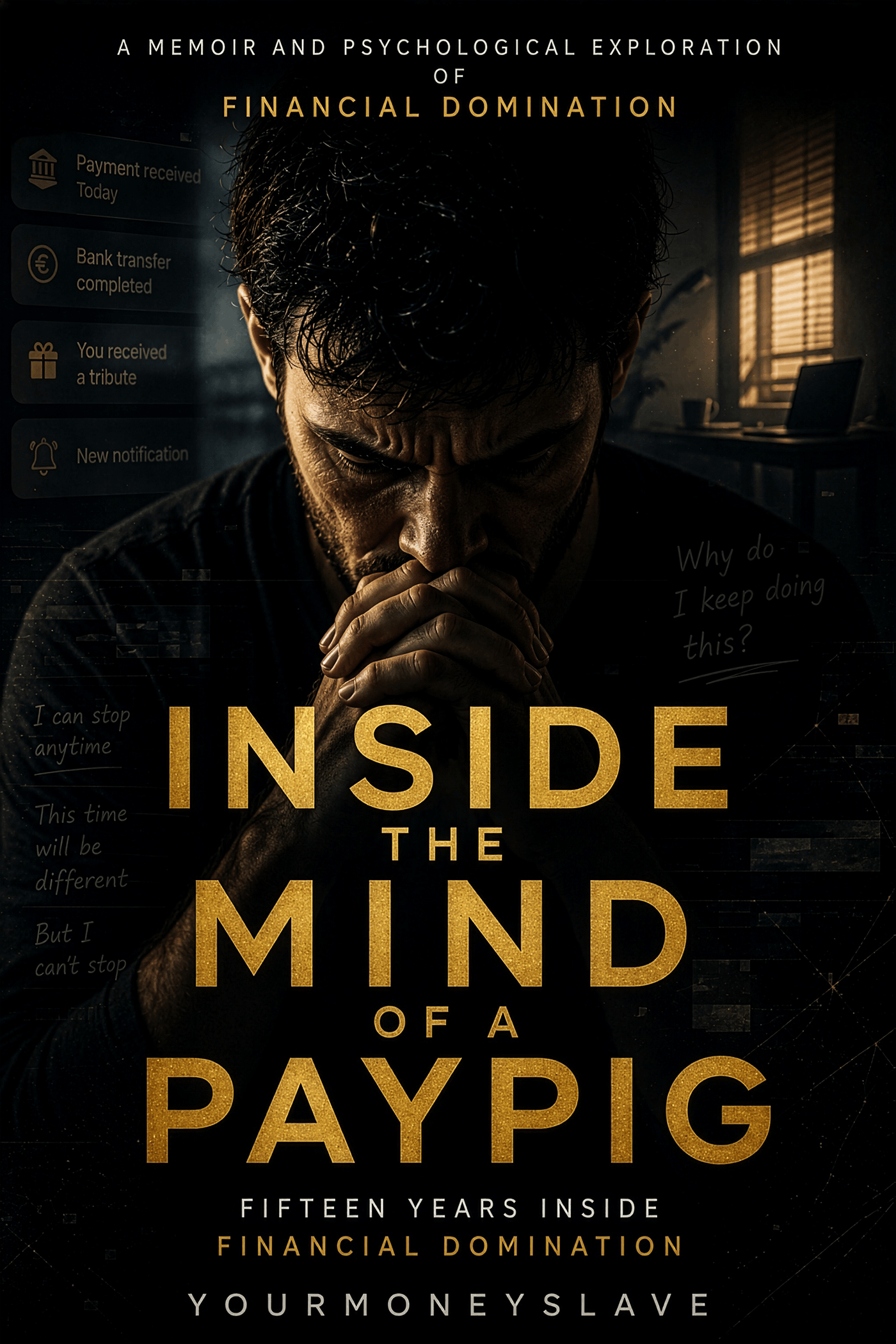
Inside The Mind Of A PayPig
After 15+ years inside financial domination, I finally wrote a book about obsession, shame, desire and the questions I am still trying to answer.
Read the free sample