Difference Between Findom Addiction and Healthy Submission — How to Tell Which You’re In
I write from lived observation and conversations with people on both sides of the line between pay-to-play domination and consensual submission. The difference between findom addiction and healthy submission is rarely dramatic; it lives in motivation, boundaries, and the degree to which money becomes a problem rather than a pleasure. Early in my learning I found one short, useful test: ask why you do it. The answer often reveals everything.
How motivation separates the two
Healthy submission is chosen. It feels mutual, even when power is asymmetrical. People who enjoy consensual financial domination often do so because the exchange amplifies erotic meaning, trust, or play. They impose limits on spending and keep life responsibilities intact.
Addiction to findom tends to look different. The compulsion to give overrides plans and obligations. The person gives to relieve anxiety, chase a high, or avoid shame rather than to deepen a negotiated erotic script. The money becomes an emotional regulator instead of part of a scene.
For a practical example, I once spoke with a man who budgeted a fixed amount for findom sessions and felt energized, thoughtful, and connected afterward. By contrast, a friend described a phase where she emptied savings impulsively and then felt despair, she later identified that pattern as addictive rather than consensual.
Key behavioral differences I look for
- Choice versus compulsion: Healthy submission can be paused or renegotiated. Addiction repeats despite negative consequences.
- Transparency and consent: In healthy play, limits and safewords exist. Addiction hides or rationalizes violations.
- Impact on life: Healthy submission coexists with bills, relationships, and work. Addiction interferes with them.
- Emotional aftermath: Pleasure, contentment, or intimacy follow healthy sessions. Guilt, numbness, or secrecy follow addiction.
- Control of resources: Setting budgets and tracking spending are typical in healthy practice. Secret overspending signals trouble.
If you want a deeper reflection on whether findom can fit inside a committed relationship, I found this short primer useful when I was sorting my own feelings: how findom and relationships can coexist.
Two real-life style examples
Example 1: Tom agreed with a Domme to send a monthly tribute and to receive weekly text tasks. He tracked his payments, stayed under the limit, and looked forward to the ritual. When his work stress rose, he paused the sessions without drama. That pattern read to me as healthy submission: structure, consent, and the ability to stop.
Example 2: Laura began giving small amounts, then escalated to draining an emergency fund after a call with a new performer. She lied to friends about her spending and felt a short-lived rush followed by shame. Attempts to cut back left her restless and anxious. That pattern matched addiction, money used as a mood fixer rather than as an erotic contract.
Emotional and practical trade offs
Choosing consensual financial submission often requires discipline. You surrender money, but you gain ritual, validation, or erotic intensity. You also accept the trade off that financial control is a serious influence on your autonomy; the more money you transfer, the more literal your submission becomes.
Addiction promises relief and delivers instability. It can erode trust with partners, damage credit, and create cycles of secrecy. Recovery may mean rebuilding finances and reworking how you meet emotional needs. Both paths involve loss and benefit; the difference is whether you are steering toward the chosen cost or being carried by it.
Questions to ask yourself
- Do I set spending limits and stick to them?
- Can I stop for a week or a month without intense distress?
- Do I hide my activity or feel able to explain it to someone important?
- Does giving money replace talking with a partner or seeking professional help for deeper issues?
When I’m coaching someone through these questions, I notice the answers are seldom all yes or all no. There is often a grey zone where the activity is mostly healthy but occasionally crosses a line. That ambiguity is a useful alarm rather than a verdict.
For a nuanced look at what a session can feel like, whether pleasure or punishment, and how to read those signals, I recommend this exploration I referenced when clarifying my own boundaries: what findom sessions can feel like.
Practical steps if you suspect addiction
- Stop judgment. Shame compounds secrecy.
- Pause transfers and set a cooling-off period of at least 30 days.
- Put safeguards in place: limit cards, notify a trusted person, or use software to block specific sites.
- Replace the habit with a nonfinancial ritual: a hobby, exercise, or scheduled social time.
- Consider professional help for compulsive behaviors if stopping causes severe withdrawal or if it damages your life.
When someone asked me which single thing predicts recovery, I said it was the willingness to tell one honest person about the problem. Shame thrives in secrecy. Accountability opens options.
If you are worried about risks to people who give money impulsively, this short guide lays out common issues and warnings that helped me make safer choices in the past: common warnings for paygivers.
Final note on complexity
Not every episode of overspending equals addiction. Not every ritual of tributes is psychologically healthy. The line between findom addiction and healthy submission is defined by degree, context, and consequence. I find that honest questions, small experiments, and limits reveal where you stand far better than moralizing.
I do not think difference between findom addiction and healthy submission gets clearer when people add more drama around it. Most of the useful judgment happens in the small details that are easy to skip.
FAQ
How can I tell if my giving is a problem? If your giving causes missed bills, relationship conflict, or intense secrecy, treat it as a problem worth addressing. The presence of those harms, not the size of the payment, matters most.
Can healthy submission become addiction? Yes. Patterns can escalate when emotional needs go unmet. Regular check-ins with yourself and partners reduce the risk.
Where do I get help if I can’t stop? Start with a trusted friend or a mental health professional who understands compulsive behaviors. Practical steps like freezing cards and installing blockers help while you get support.
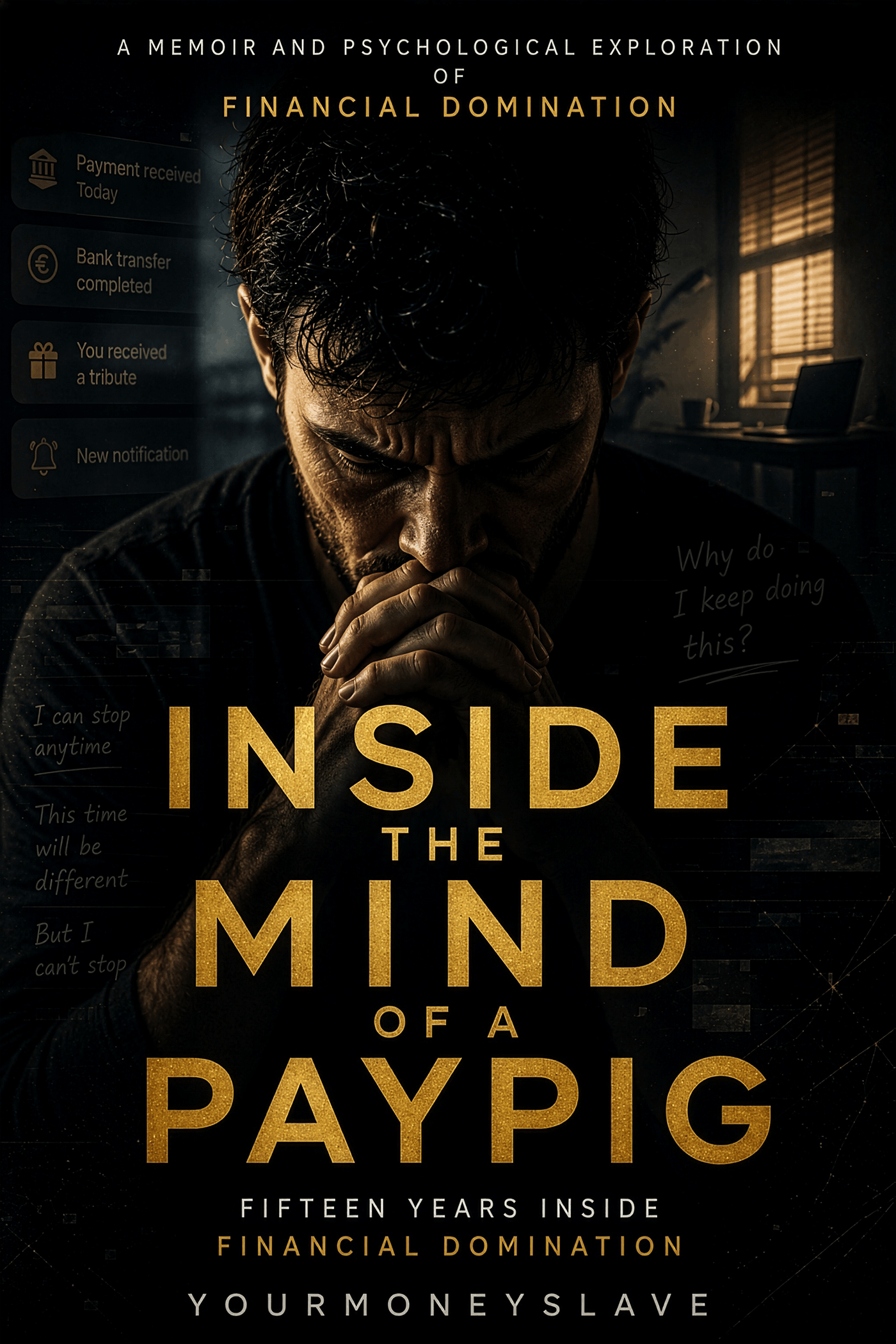
Inside The Mind Of A PayPig
After 15+ years inside financial domination, I finally wrote a book about obsession, shame, desire and the questions I am still trying to answer.
Read the free sample