Emotional dynamics in femdom movie relationships: what I learned watching power and vulnerability
I watch films for story, not fetish. That distance helps me notice emotional details other viewers might miss. When I searched for emotional dynamics in femdom movie relationships, I found repeated patterns: shifting authority, negotiated consent disguised as inevitability, and often a softer current of care under the control scenes.
Why the phrase matters
People search for “femdom in movies”, “movies about femdom”, or the longer query “emotional dynamics in femdom movie relationships” for different reasons. Some want explicit scene lists. Some want analysis: why a submissive character stays, how consent is framed, whether the domination is abusive or negotiated. I try to answer those angles here, while avoiding simple labels like “toxic” or “romantic”.
If you are also looking for practical resources about how people monetize or navigate related power dynamics in real life, this piece links to a short primer for models that’s helped me think about boundaries and communication: resources for models.
Core emotional tensions I keep seeing
- Authority versus agency. A dominant character exerts control, but scenes often show the submissive exercising agency through choice, bargaining, or withdrawal. The emotional charge comes from that push and pull, not from absolute compliance.
- Performance versus authenticity. Characters sometimes perform roles for sexual or narrative reasons while privately doubting them. The gap between on-stage domination and private tenderness creates complexity.
- Protection mixed with humiliation. Domination in films sometimes doubles as protection: the dominant sets rules to keep the submissive safe from other threats. That dual motive complicates moral judgments.
- Vulnerability as leverage. Vulnerability is not always weakness. Films often show femdom characters leveraging emotional openness as a way to deepen control, which can feel consensual or manipulative depending on context.
Examples from films and indie projects
I avoid naming explicit scenes for readers who want analysis without spoilers. Instead I describe patterns through two real-life style examples that mirror what I saw across several titles.
Example 1: A mainstream drama where a well-off woman takes charge of a younger partner. The domination begins as role-play after a breakup; it becomes a living arrangement. The film makes an uneasy ethical point: the woman sets strict rules, but she also shields him from friends who would exploit him. Their conversations, offstage, are where I see consent being renegotiated. Sometimes he refuses a rule; sometimes he asks for more structure. The emotional tension arises when care and control overlap, and the audience is left unsure which motive dominates.
Example 2: An indie film with a scene-heavy focus on negotiation. A femme character runs sessions as part of her profession. The movie shows explicit contracts and pre-scene check-ins. Even so, the emotional fallout happens outside the sessions: a quiet scene where the submissive admits fear about leaving. The filmmaker explores how twenty-four hour intimacy complicates scene boundaries, and how trust can erode when life stresses intrude.
Both examples highlight a common pattern: scenes of domination are just one element. The most revealing moments are small, post-scene apologies, a shared joke, the refusal to discuss money, that show the relationship’s texture.
Mainstream versus niche portrayals
Mainstream films tend to sanitize or exoticize power play. They compress negotiation into suggestive dialogue, which creates mythologized images: the dominant is confident and unambiguous, the submissive transformed. That can make real-world dynamics look more stable than they are.
Niche and indie films often show the friction more honestly. They linger on consent interruptions, financial complications, and therapy scenes. Those portrayals are imperfect, but they capture the tangle of desire and dependence better than shorthand tropes.
For readers exploring the intersection of emotional power and monetary exchange, I keep coming back to practical guides that address boundaries and expectations. One helpful read I use to contextualize financial dynamics is a short set of tips for findommes that maps risks and routines: tips for findommes.
What films get wrong, and why it matters
Too many films assume consent is a one-off event. That misunderstanding flattens relationships: once consent is given, everything that follows is framed as legitimate. Real relationships, especially ones with power asymmetry, require ongoing consent, renegotiation and exit routes. When movies ignore that, they risk normalizing coercive dynamics.
I also notice a tendency to fetishize humiliation without showing aftercare. A humiliating scene can be narratively powerful, but without scenes of repair it reads as emotional abandonment. That absence changes how viewers interpret the characters’ wellbeing.
Trade-offs and ambiguity
There is no single correct representation. Showing constant negotiation can be less dramatic. Showing unchecked domination can be irresponsible. I value films that accept ambiguity: they let you feel the tension between desire and harm without delivering tidy moral answers.
When I watch, I look for evidence of reciprocal need. Does the dominant also need validation? Does the submissive gain agency in other domains? Those subtleties make the depiction feel human rather than schematic.
How I suggest approaching these films
- Look for context outside the scene. Scenes rarely stand alone. Dialogue before and after domination sequences reveals intent and consent.
- Pay attention to boundary markers. Contracts, safe words, and aftercare scenes are not just props; they signal whether the director is interested in ethical complexity.
- Notice power that is not sexual. Economic dependence, social reputation, and caregiving roles often shape the dynamic more than kink itself.
If you want a practical primer on navigating emotional and financial trade-offs from the perspective of participants, this beginner guide helped me think through consent, payment, and limits: a beginner’s guide.
My perspective: Not everyone agrees on how emotional dynamics in femdom movie relationships should work. From what I have observed, clarity beats drama every time.
FAQ
- Are femdom film portrayals usually realistic? Not always. Realism varies. Mainstream movies lean toward myth; niche films can be more honest but still dramatize for effect.
- How can I tell if a film shows consensual dynamics? Watch for ongoing negotiation, clear exit options, and aftercare. The presence of these does not guarantee ethical practice, but their absence is a red flag.
- Should I worry that watching these films changes my expectations? Films can shape fantasies, but self-reflection and communication in real relationships are the antidote. If a portrayal feels troubling, discuss it with partners rather than assuming it should be replicated.
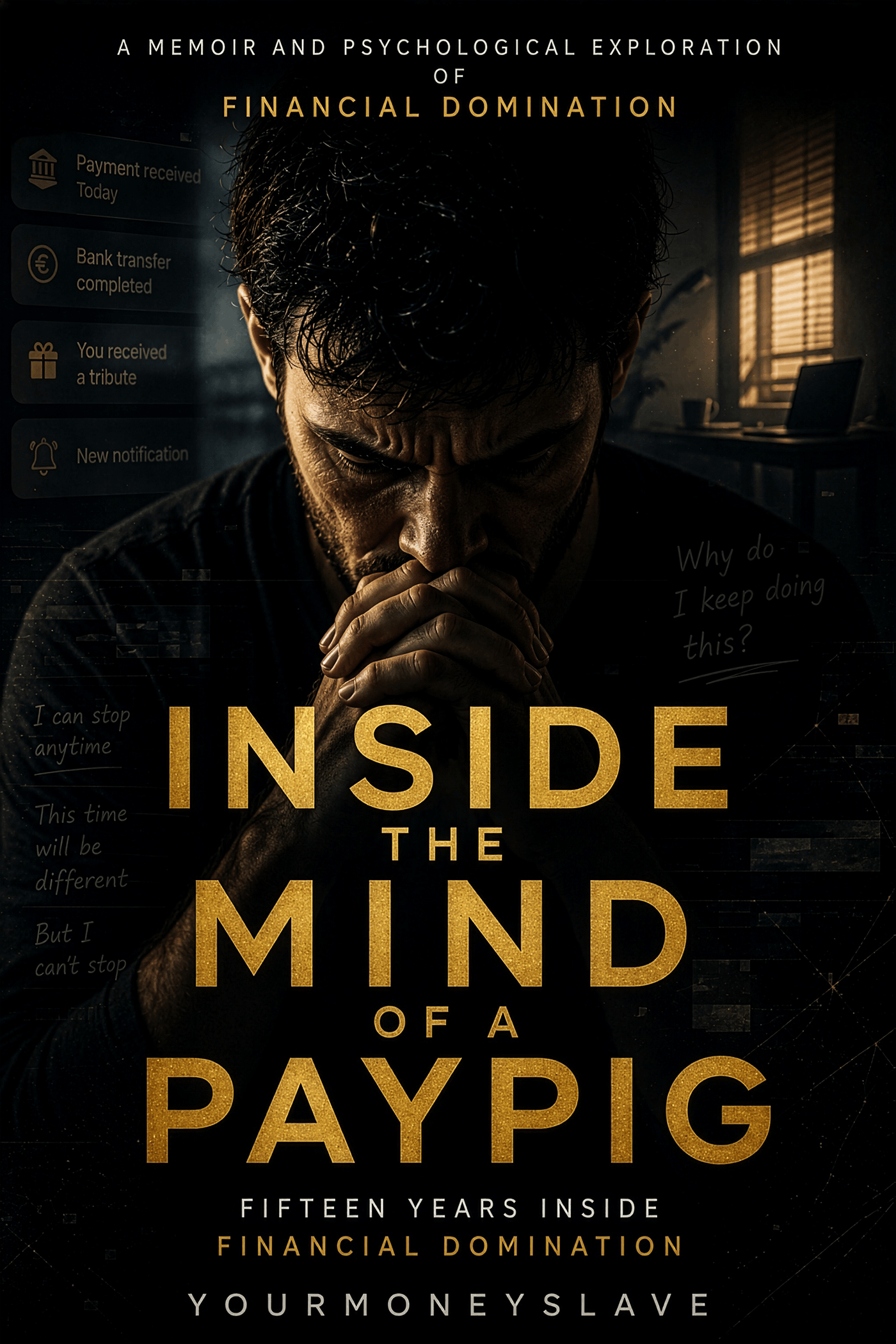
Inside The Mind Of A PayPig
After 15+ years inside financial domination, I finally wrote a book about obsession, shame, desire and the questions I am still trying to answer.
Read the free sample