Emotional awareness during your first findom session: how to recognize, manage, and learn from it
I still remember the first time I clicked send on a tribute. My hands trembled, my heart picked up speed, and a weird mixture of shame and relief washed over me. That jumble of feelings is normal. Emotional awareness during your first findom session matters more than any technical how-to, because your emotions will shape whether you want to come back or walk away.
If you want alerts for when a findom I follow goes live, you can join the channel I use for quick updates: join my alerts.
What people usually mean by emotional awareness
Emotional awareness means noticing what you feel, naming it, and understanding why it happened. During a first session those feelings can flip fast: excitement, guilt, arousal, fear, even boredom. The clearer you are about your inner state, the less likely you are to make choices that clash with your long-term wants or finances.
Why your first session feels different
There are a few reasons the first session hits harder. It’s new and taboo. You’re testing boundaries, and for many of us money adds a real-world consequence that heightens everything. Add the performance pressure, wanting to impress, to be noticed, and emotions intensify.
From my experience, that pressure created two opposing urges: one to keep giving because I craved validation, and one to stop because my budget and self-respect argued loudly. That tension is normal but worth tracking closely.
Simple signs to watch for in the moment
- Physical cues: racing heart, sweaty palms, a sudden need to check your account balance.
- Mental loops: repeating thoughts like “I need to prove myself” or “just one more”.
- Behavioral flashes: impulsive clicking, ignoring a budget, or messaging too quickly after a response.
Spotting one or two signs isn’t a crisis. If you see several together, pause.
Short routines that actually help
I use tiny rituals before and after sessions. Before I set a low, non-negotiable limit and say it out loud to myself. After a session I take five minutes away from the chat, no screens, and jot down what I felt, honestly. Those small moves create enough distance to avoid replaying impulsive decisions.
If you want a practical primer about what to expect in that first session, this write-up helped me reset expectations: first session expectations.
Two real-life moments
Example one: I sent an unplanned tip after a short, flattering voice note. The message made me feel seen. I justified the extra payment as gratitude. Later I realized I had tried to buy a feeling that the voice note had already given me.
Example two: During another first session I froze after being asked for a bigger tribute. My initial instinct was to agree, but I remembered my rule and typed “I can’t do that.” The domme replied with a short reprimand and then respected the boundary. That mix of embarrassment and relief taught me the value of pre-agreed limits.
Trade-offs and tensions to expect
There are trade-offs. Saying no protects your finances and dignity, but it can also reduce the intensity or length of a session. Giving in can feel good and deepen the dynamic, but it risks buyer’s remorse and power imbalances. Both outcomes teach you something about what you actually want from findom.
At times you’ll want to push a limit to test yourself. Testing is fine when it’s conscious. It’s risky when it’s an attempt to fix an emotional ache with more spending.
How to prepare before you click send
- Decide on a clear, low tribute or a cap for the session. Treat it like an appointment you can’t miss.
- Write a two-line stop phrase you can use if you feel overwhelmed. Keep it neutral, like “I need a break.”
- Have a post-session anchor: a walk, a cold drink, or a 10-minute journal entry.
For ideas on doing findom without draining your account, this guide helped me learn safer patterns: findom without overspending.
When to walk away entirely
If sessions regularly leave you anxious for days, or you notice you spend to chase feelings you later regret, it’s time to step back. Emotional awareness isn’t about beating yourself up. It’s about spotting patterns before they trap you.
Advice for findommes, from the paying side
I’m writing from the paying, learning side, but a few practical points for dommes I’ve seen work: set clear tribute expectations, drop short reminders to respect limits, and offer brief cooldown options for overwhelmed paypigs. Those moves keep the scene intense and safe.
For models and creators looking for resources, this collection points to useful practice guides: resources for models.
Small red flags that matter
- Pressure to ignore preset limits or rush payment methods.
- Guilt-tripping that goes beyond roleplay into real-world shaming.
- Repeated promises to “make you feel better” tied to escalating tributes.
Those are not parts of healthy scenes. If you see them, hit pause and reassess.
Quick checklist after a session
- Note one thing you liked and one thing that unsettled you.
- Check your balance and compare it with the limit you set before the session.
- Decide whether to revisit the domme, adjust your limits, or take a break.
For more practical tips about expectations and etiquette in that first session, see this short guide I used: first session expectations.
I do not think emotional awareness during your first findom session gets clearer when people add more drama around it. Most of the useful judgment happens in the small details that are easy to skip.
I would also review this related article to compare this angle with a related perspective before making assumptions.
FAQ
- How will I know if feelings are temporary or signs of a problem? If the emotions fade quickly and you still respect your limits, they were likely temporary. If they lead to repeated overspending or days of anxiety, that’s a pattern to address.
- What if I feel embarrassed to stop mid-session? Use a neutral stop phrase. Most professionals expect boundaries and will respond without shaming.
- Can emotional awareness be learned? Yes. Small habits, pre-set limits, short post-session reflections, and noticing physical cues, help you get better fast.
Being emotionally aware doesn’t ruin the rush. It makes the experience honest, safer, and more sustainable. If you’re nervous about catching live sessions, consider signing up for alerts first: join my alerts.
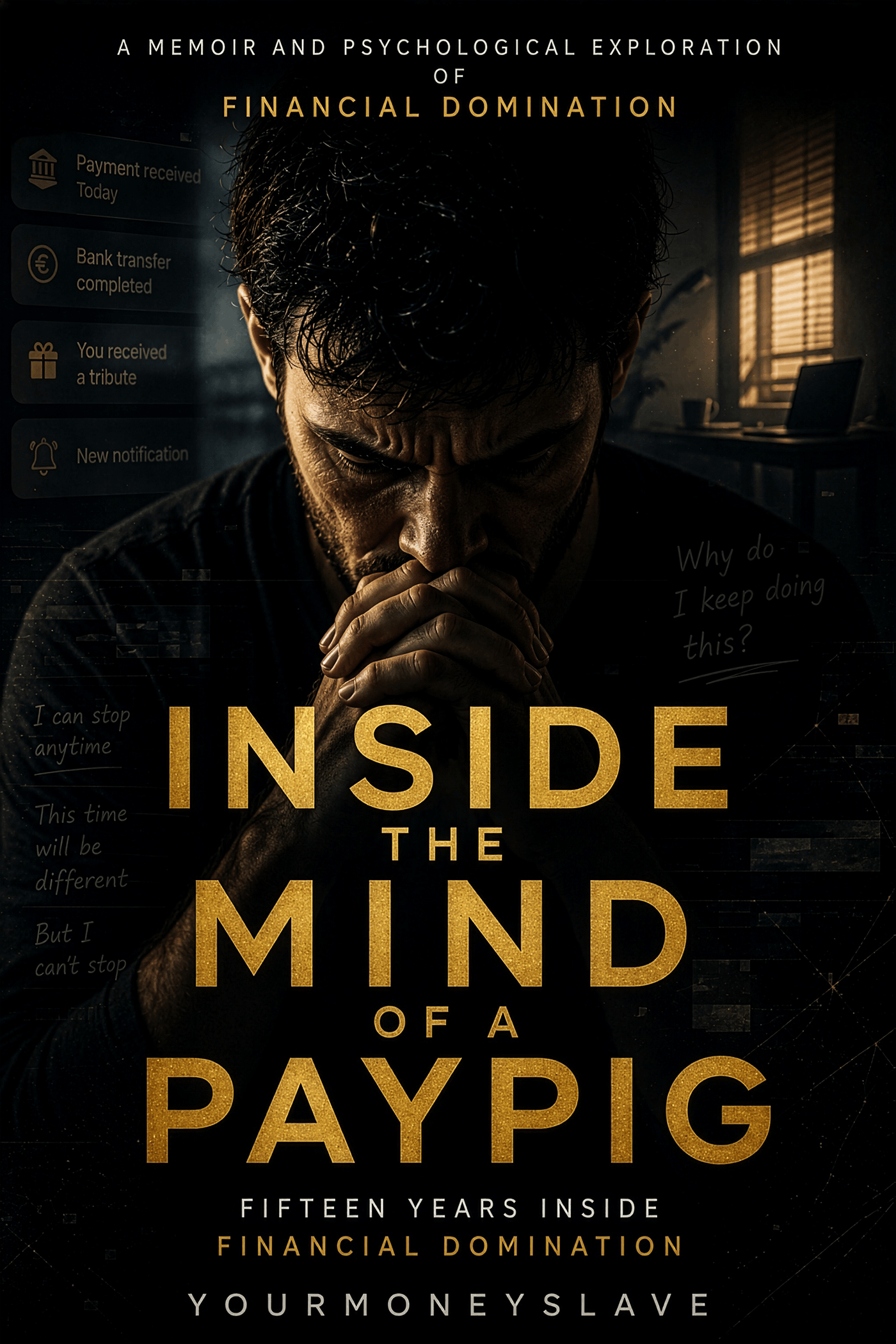
Inside The Mind Of A PayPig
After 15+ years inside financial domination, I finally wrote a book about obsession, shame, desire and the questions I am still trying to answer.
Read the free sample