Common Themes in Movies with Femdom Scenes — What Repeats and Why It Matters
I spend a lot of time watching and reading about sexual dynamics on screen, and one question keeps coming up: what are the common themes in movies with femdom scenes, and why do filmmakers use them? If you’re curious about femdom in movies, or searching for movies about femdom for study or entertainment, this article maps patterns I see repeatedly and what they mean.
Why these themes repeat
Filmmakers borrow visual shorthand. A few reliable motifs convey power, transgression, or desire quickly: costume, posture, verbal framing. That makes femdom easy to signal in a handful of frames. At the same time, cultural anxieties about gender roles make those same motifs dramatic. The result is a limited palette that gets reused across mainstream and niche cinema.
If you want practical resources as a creator or researcher learning about how these scenes are presented and perceived, I found a helpful starting point in this short list of materials for performers and producers for models and content creators.
Core visual and narrative themes
- Costume and props as shorthand. Boots, gloves, chairs and ropes signal control. They do double duty: practical tools on set and symbolic markers for the audience.
- Power reversal. Scenes often emphasize a visible shift in who controls the action: closeups of a hand pushing someone down, a dominant gaze, or a character narrating their surrender. The reversal is usually staged so viewers grasp the stakes instantly.
- Ambiguity about consent. Many movies prefer an ambiguous setup: teasing or coercion that borders on nonconsensual but is framed as erotic. That ambiguity creates tension, but it also raises ethical questions that critics raise repeatedly.
- Emotional complexity. Rather than pure titillation, the best portrayals show conflicting feelings: relief, shame, empowerment, or confusion. Scenes that flatten these emotions into fantasy often feel colder and less believable.
- Performative dominance. Some scenes treat femdom as performance for male attention or masculine insecurity. The dynamic becomes commentary on gender performance rather than an erotic relationship in itself.
Mainstream versus niche portrayals
In mainstream films, femdom is often shorthand for danger or transgression. Directors use a few overt images to signal that a character is empowered or threatening. In fetish cinema and indie work, scenes can be longer, more negotiated, and more attentive to technique and emotional states.
That difference matters. A mainstream scene might suggest seduction and peril in a single montage. A niche portrayal might linger on the logistics of a tie, the verbal check-ins, or the power-exchange language. If you’re looking for realistic depictions, the latter is more likely to show the back-and-forth and aftercare that many practitioners value.
I also keep a brief list of tips for performers and findommes in another practical write-up that addresses audience expectations and safety about attracting clients as a findomme.
Recurring emotional beats
- Domination as discovery. Characters sometimes discover their own tastes through a femdom encounter. The scene functions as a turning point in identity formation.
- Shame and liberation. Filmmakers often pair shame with liberation to create a narrative arc that justifies secrecy or risk.
- Control as caretaking. Less common but important is the portrayal of control framed as caretaking, where rules and structure are paired with explicit concern for the submissive’s limits.
Two subtle real-life style examples
Example one. I remember a low-budget indie where a corporate lawyer enters a private session and is surprised by how much relief structure provides. The scene avoided melodrama: the dominant’s instructions were clipped, there was a visible negotiation about limits beforehand, and the aftermath included a quiet moment of tea. The small gestures made the power exchange feel human, not purely theatrical.
Example two. At a film festival I watched a short where the femdom scene was deliberately satirical. The dominant character used exaggerated props and over-the-top lines to expose her own insecurity. The scene doubled as commentary on how society reads dominance in women, and it left both characters unsettled rather than neatly resolved.
Trade offs and tensions to watch for
Filmmakers trade realism for clarity. A short scene must communicate quickly, so consent is sometimes simplified into a nod or a line. That saves time but flattens complexity. Another tension is between eroticism and critique. Some films fetishize femdom without interrogating the power dynamics; others use it to explore gender politics and risk alienating viewers seeking straightforward erotic content.
There is also ethical friction. Scenes that flirt with coercion can read as violent to some viewers, even when actors consented on set. That gap between production consent and audience reception is important to acknowledge.
Where to look next
If your interest is practical rather than purely academic, a beginner’s primer on roles and expectations can be useful preparation before you dive deeper for newcomers exploring pay dynamics.
I do not think common themes in movies with femdom scenes gets clearer when people add more drama around it. Most of the useful judgment happens in the small details that are easy to skip.
FAQ
- Are femdom scenes common in mainstream movies? They appear occasionally, usually as a provocative shorthand rather than a fully explored relationship. You will find more nuanced portrayals in niche and indie work.
- Do films usually show consent properly? Not always. Because of time and storytelling demands, consent is sometimes abbreviated or implied. Look for scenes that show negotiation and aftercare if accurate depiction matters to you.
- Can femdom on screen be educational? It can be suggestive and provoke reflection, but films are not reliable manuals. If you want practical guidance, seek resources, community discussions, or educational materials that focus explicitly on safety and communication.
Ultimately, recognizing common themes in movies with femdom scenes helps you separate cinematic shorthand from real-world practices. I hope these observations make it easier to watch critically and find portrayals that resonate with your interests.
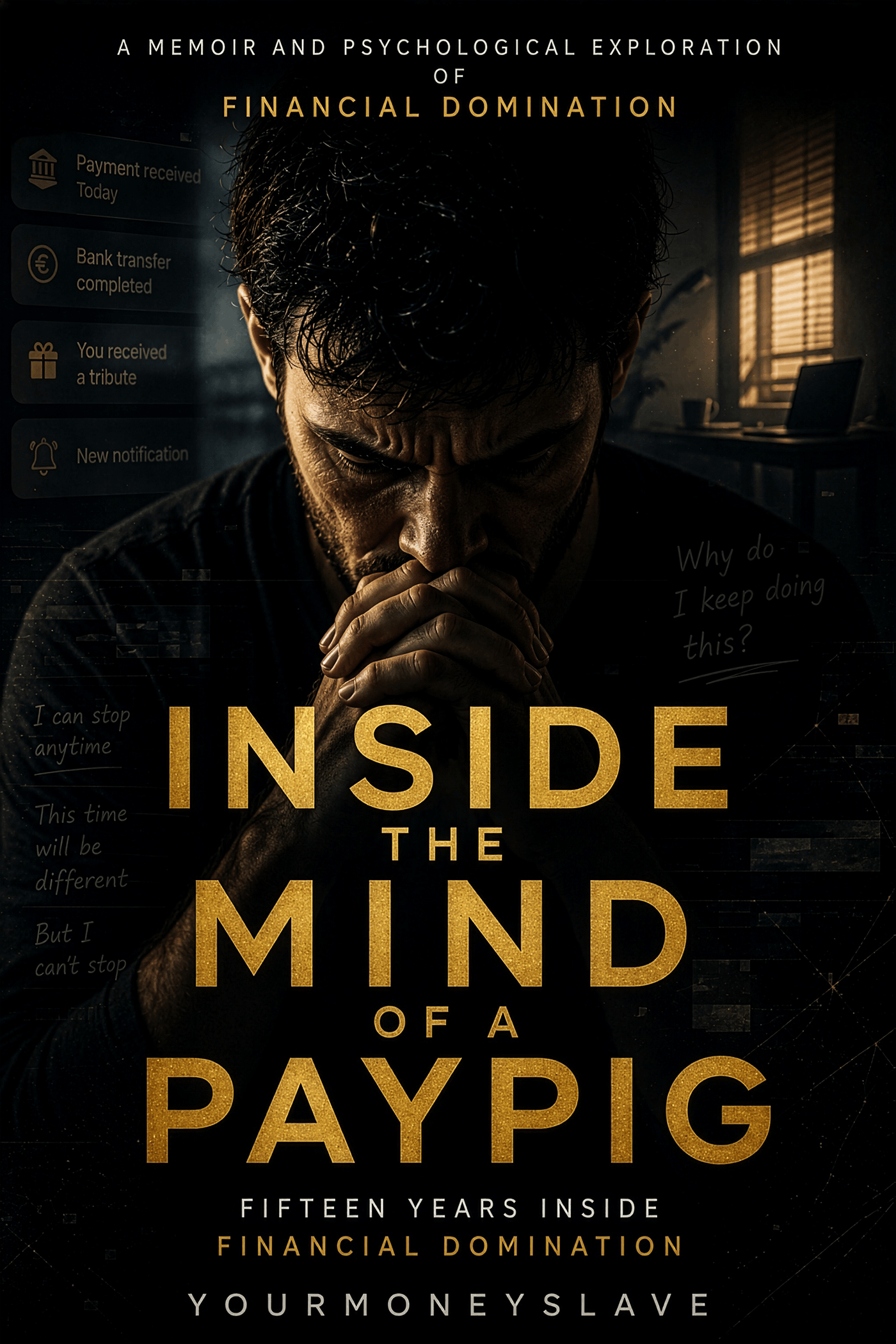
Inside The Mind Of A PayPig
After 15+ years inside financial domination, I finally wrote a book about obsession, shame, desire and the questions I am still trying to answer.
Read the free sample